January 7, 2026
January Greetings,
As we head into the new year, nature reminds us that winter is the season of stillness, reflection, and restoration. Messaging around “new year, new me,” and calls to make big changes are loud and and unrelenting this time of year. At Take Root we’re hoping for more rest and moments to tap into our own inner knowing this winter season. Listening to our minds and bodies and attuning ourselves to what they might be needing. The dormant nature of winter invites renewal for what lies ahead in the year.
In a world of “Pinterest perfectionism” and “Instagrammable” final results, I present to you the option to do less and not overthink your creative process. I’ve been making time to enjoy some imperfectly created crafts, and I cannot recommend this method enough. When we let go of the idea of *GASP* controlling the outcome, our craft projects are enjoyable and look pretty darn good. As a freelance illustrator and art educator making a midlife pivot into social work, I’ve made a career of getting my art just right for clients and customers. I’ve experienced firsthand the significant difference between creating for profit and creating for the experience of making. It has not been easy to let go of the high value I’ve placed on my own productivity, but making “just because” elicits more whimsy and delight, two things I’m hoping to experience more of in 2026.
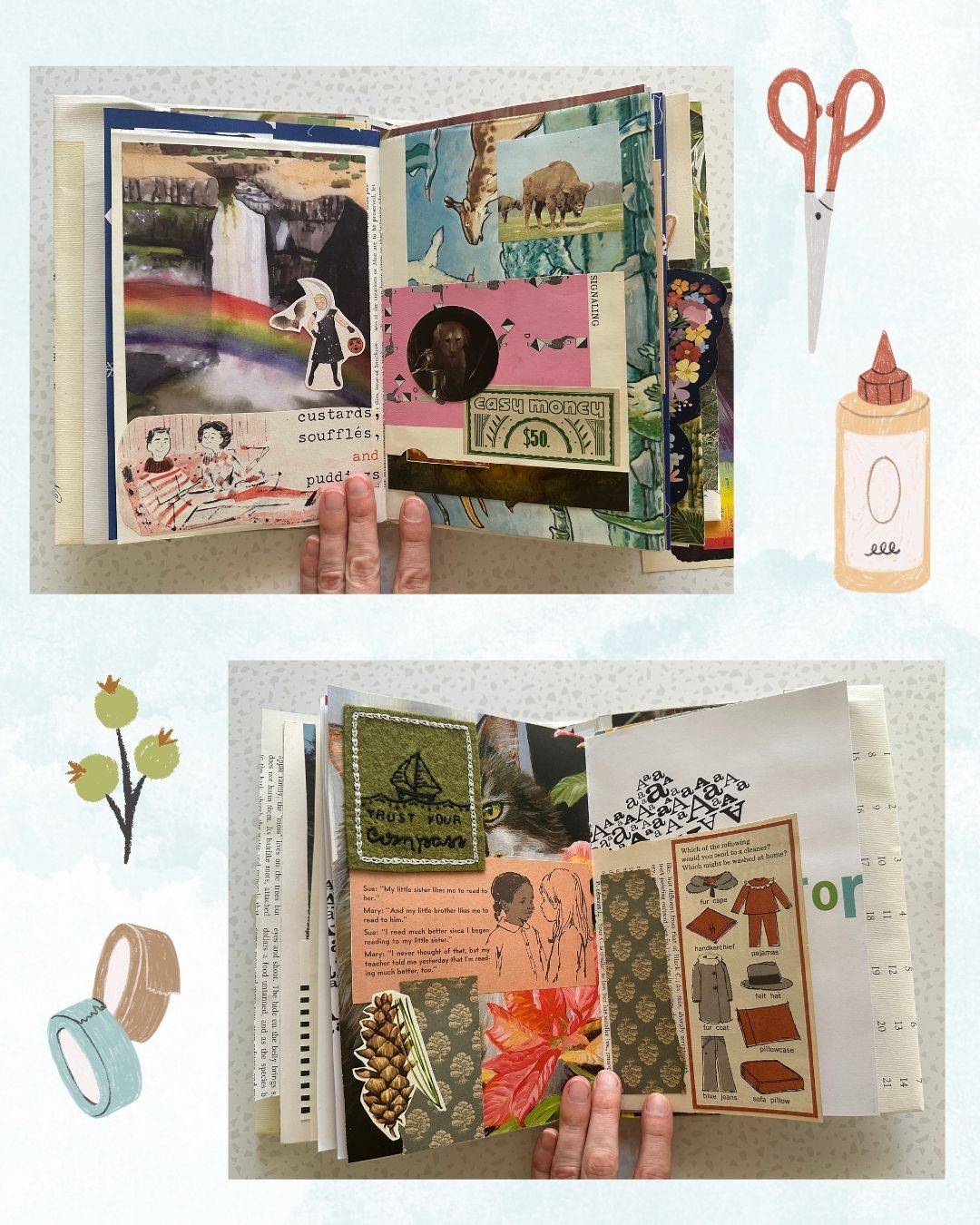
Last year, I discovered the art of junk journaling, and it cracked my brain and heart open in the best way. A junk journal is defined as a handmade, bound “book” of loose materials. Literally anything goes with a junk journal; there’s no wrong way to make one. I created mine in a class with a local multimedia artist, and it includes tissue paper, recycled calendar pages, children’s book pages, magazine pages, old envelopes, and other pieces of paper in various shapes and sizes. After binding it together with recycled cardboard pieces from a cereal box using a needle and waxed linen thread, I started adding to my book. Because there was no clear structure to this project, I didn’t necessarily start at the beginning; I added elements where they visually fit, based on the materials provided in the workshop that day.
Later, at home, I began looking through the stash of paper ephemera I have saved in drawers and envelopes for years. Think, old matchbook covers, cute receipts, cute tags from items I’ve purchased, stickers, sweet notes I’ve saved from friends and family, illustrations from vintage books that I love, and small nostalgic treasures that felt too special to part with but didn’t really have a place. These things now have a space to exist more purposefully within my journal of junk. This book doesn’t even really have a theme; it’s just stuff that makes me happy to look at.
Every once in a while, I grab my glue stick, scissors, and junk journal and work on a page or two. It’s easy to get bogged down by the pressure to complete a craft project, but keeping my junk journal as an ongoing creative practice has been a gift to my creativity and brain. It’s challenged and broadened my tolerance around the discomfort that can come from not completing something fully and “perfectly.” One unexpected surprise of this project has been forgetting what I’ve added previously, and the gift of flipping through the pages again and delighting in the memory of the work my hands did before.
The impact of perfectionism on art making and crafting:
Perfectionism can stifle our creativity by paralyzing us from making the next creative decision in a manufactured effort to “get it right.” When we are unable to move beyond the rigidity of perfectionistic thinking, we are less able to tap into a state of flow, and our divergent thinking is stifled. We may stay stuck in a cycle of overthinking, anxiety, and fear of failure. Removing value judgments and irrational expectations from our art and crafting projects can combat the adverse effects of the perfectionism monster on our psyches as we engage in the creative process.
The impact of arts and crafts on the mind:
The process of creating offers many benefits, and according to a recent study by the American Psychiatric Association (APA), Americans who rate their mental health as good to excellent are more likely to engage in creative activities. About 46% of Americans turn to creative activities, such as playing the piano or crocheting a blanket, to ease stress and anxiety. For example, engaging in creative activities daily has been shown to improve health indicators, including stress hormone patterns, nervous system balance, and overall quality of life, across various age and demographic groups. Engaging in arts and crafts helps to build self-reliance and satisfaction by using creativity and thinking skills to create things you value and want to share.
Primary types of art therapy include visual arts, music engagement, movement-based creative expression, and expressive writing. Art therapy modalities have been employed to help treat mood disorders, schizophrenia, dementia, clients on the autism spectrum, and clients with Parkinson’s Disease, Alzheimer’s disease, along with other health issues like patients with cancer, COVID 19, and HIV.
Many cultures have long recognized that creative expression can play a powerful role in healing. Throughout recorded history, people have used images, stories, dance, and chant in healing rituals. Although there has been extensive philosophical and anecdotal discussion about the relationship between art and healing, empirical research has been limited. Despite arts therapy having been used clinically for over a century and formally recognized as a profession since 1991, much of the published literature remains largely theoretical and offers little evidence of specific outcomes. Only in recent years have systematic, controlled studies begun to investigate the therapeutic effects of the arts in healing.
My key takeaways from engaging in arts and crafts:
Judgement-free zone: Crafting and making things is fertile ground for practicing self-compassion and ditching comparison. It’s a prime opportunity to challenge negative thought patterns. In MY craft space, whatever I’ve got going on is between me, the pipe cleaners, and the glue gun.
As an art educator, I have observed among students of all ages, from children to older adults, an almost knee-jerk reaction to begin judging their art and craft projects as soon as they start. Many times I’ve witnessed students paint a few brushstrokes on a page and immediately claim, “It’s ruined” or “I need to start over” because they perceive it as not good enough. Consider the way a plant grows in nature. Would we spot a few sprouts in the soil and call a plant a failure when it hasn’t finished growing? I don’t think so. We wouldn’t mix the ingredients for a cake and before even placing it in the oven, decide it wouldn’t rise or taste good. We don’t know yet because the plant just sprouted and the cake hasn’t gone into the oven. Try to honor the process of your craft and art making by withholding judgment, ESPECIALLY in the beginning stages. Remember to take a breath, trust the process, and keep going.
Embracing authenticity: When you make something, whether it be a watercolor painting, a written poem, or a tune on a ukulele, it represents an imprint of your YOU-NESS. You created something that didn’t exist before that moment, and now it does- isn’t that just magical?
Keeps us mindful: Focusing on the steps and process of a craft project helps us stay mindful and grounded in the moment, aids in reaching a state of flow, and combats overthinking. Finished projects are fine and dandy, but if I really think about where most of my creative enjoyment happens, it’s in the process of making. Making creative decisions and solving problems during a project challenges our brains in positive ways and develops and builds our skills and self-esteem.
Better together: While I spend most of my time crafting solo, I do seek out opportunities within my community to create with others. I’ve had some enjoyable, engaging conversations with strangers while yapping about everything from the TV show Love Island to our favorite tea flavors as we cut, glue, and create together.
Nifty Gifting: You know what makes people feel really loved and special? A handmade gift! Remember when you were young and would create something for someone in your life, and how good it made you feel to make it, and how good it made them feel to receive it? Handmade gifts often mean the most.
References:
American Psychiatric Association. (2023, July 14). Creative arts: Enhancing mental health and well-being. Www.psychiatry.org. https://www.psychiatry.org/News-room/APA-Blogs/Creative-Arts-Enhancing-Mental-Health
Barnett, K. S., & Vasiu, F. (2024). How the arts heal: A review of the neural mechanisms behind the therapeutic effects of creative arts on mental and physical health. Frontiers in Behavioral Neuroscience, 18(18). https://doi.org/10.3389/fnbeh.2024.1422361
Hussain, A. R. (2021). Overthinking in Producing Arts and Crafts: A Metacognitive Analysis. Art and Design Review, 09(03), 284–290. https://doi.org/10.4236/adr.2021.93023
Keyes, H., Gradidge, S., Suzanna Elizabeth Forwood, Gibson, N., Harvey, A., Kis, E., Mutsatsa, K., Ownsworth, R., Shyanne Roeloffs, & Zawisza, M. (2024). Creating arts and crafting positively predicts subjective wellbeing. Frontiers in Public Health, 12. https://doi.org/10.3389/fpubh.2024.1417997
Shukla, A., Choudhari, S. G., Gaidhane, A. M., & Quazi Syed, Z. (2022). Role of art therapy in the promotion of mental health: A critical review. Cureus, 14(8). https://doi.org/10.7759/cureus.28026
Tan, C.-Y., Chuah, C.-Q., Lee, S.-T., & Tan, C.-S. (2021). Being Creative Makes You Happier: the Positive Effect of Creativity on Subjective Well-Being. International Journal of Environmental Research and Public Health, 18(14), 7244. https://doi.org/10.3390/ijerph18147244
Our Community Partners
Our community partners at Lutz and Alexander and Associates Nutrition Therapy have a new, in-person support group for folks who:
- Are you looking for more support in outpatient and looking for a group to add to your treatment?
- Are you looking to bridge the gap in your eating disorder treatment from a higher level of care to outpatient?
- Do you enjoy the discussion, learning and support that occurs in the group setting?
- Could you benefit from meal support in a group setting?
This twice weekly, 90 minute group will be led by two of our dietitians, Hannah Waspi and Annie Penrose. The purpose of the group is to provide a bridge between an Intensive Outpatient Program (IOP)* and an outpatient level of care. Each meeting will have two parts: meal support + nutrition group. The combination nutrition group and meal support setting is targeted for those who may need more support than outpatient level of care, but are not in need of IOP. This group is appropriate for those with newly diagnosed eating disorders or those who have been working on their recovery.
The group will run 2x per week for 6 weeks. Participants will choose if they wish to participate twice per week (commit to 12 groups total) or once per week (commit to 6 groups total).
What: Lunch on Wednesdays: 12:00 PM – 1:30 PM, Starting January 21stWednesdays: Jan. 21 and 28; Feb. 4, 11, 18, 25; March 4
Breakfast on Thursdays: 9:00 AM – 10:30 AM, Starting January 22ndThursdays: Jan. 22 and 29; Feb 5, 12, 19, 26; March 5
Where: Raleigh Office: 3321 Trillium Whorl Court, Suite 100, Raleigh, NC 27607
Fees:
BCBS and Aetna Insurance Members: Our practice is in-network with BCBS and Aetna and we can file for you if you have BCBS or Aetna insurance. We encourage you to call the Customer Service number on your card to inquire about your coverage for CPT code 97804 (Medical Nutrition Therapy Group).
- If you have a policy that has a limited number of nutrition visits per benefit year, please note that group sessions typically count towards that limit.
-
Out of Network Insurance Members (not BCBS or Aetna):
- In Person: $800 for the 2x/week track (12 sessions total), $400 for the 1x/week tract (6 sessions total)
- Signing up for the group reflects a commitment for the 6 or 12 session group. No refunds will be provided and there will be a charge for missed group sessions.
This group is for folks 18+ learn more and register HERE.
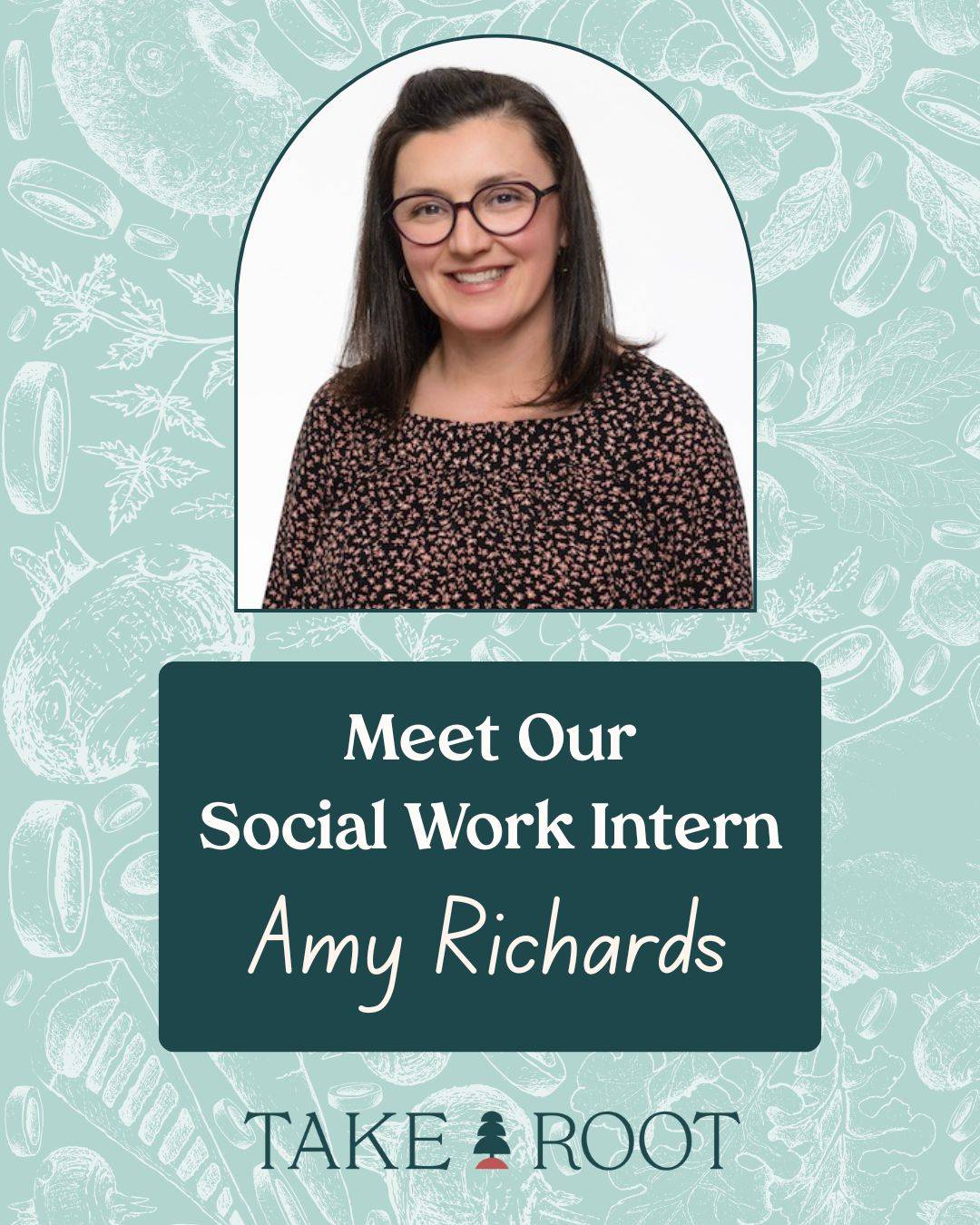
Take Root has experienced many “firsts” over the past year and we are excited to share that our administrator, Amy Richards will be joining our team as Take Root’s first social work intern. Amy is an educator whose passion for mental health, creativity, recovery, and social justice has led her to a career of clinical social work. Her own experiences along with a strong interest in attachment work, polyvagal theory, and influences from the natural world inform her clinical practice with clients. She enjoys lots of creative art mediums, gardening, and thrifting An avid animal lover and advocate, Amy loves tending to her menagerie of pets: 3 dogs, a cat, and 4 chickens.
Amy will be available for new clients in late May 2026, and pro bono and sliding scale options will be available. Contact her at amy@takerootpllc.com to join her waitlist for late Spring.
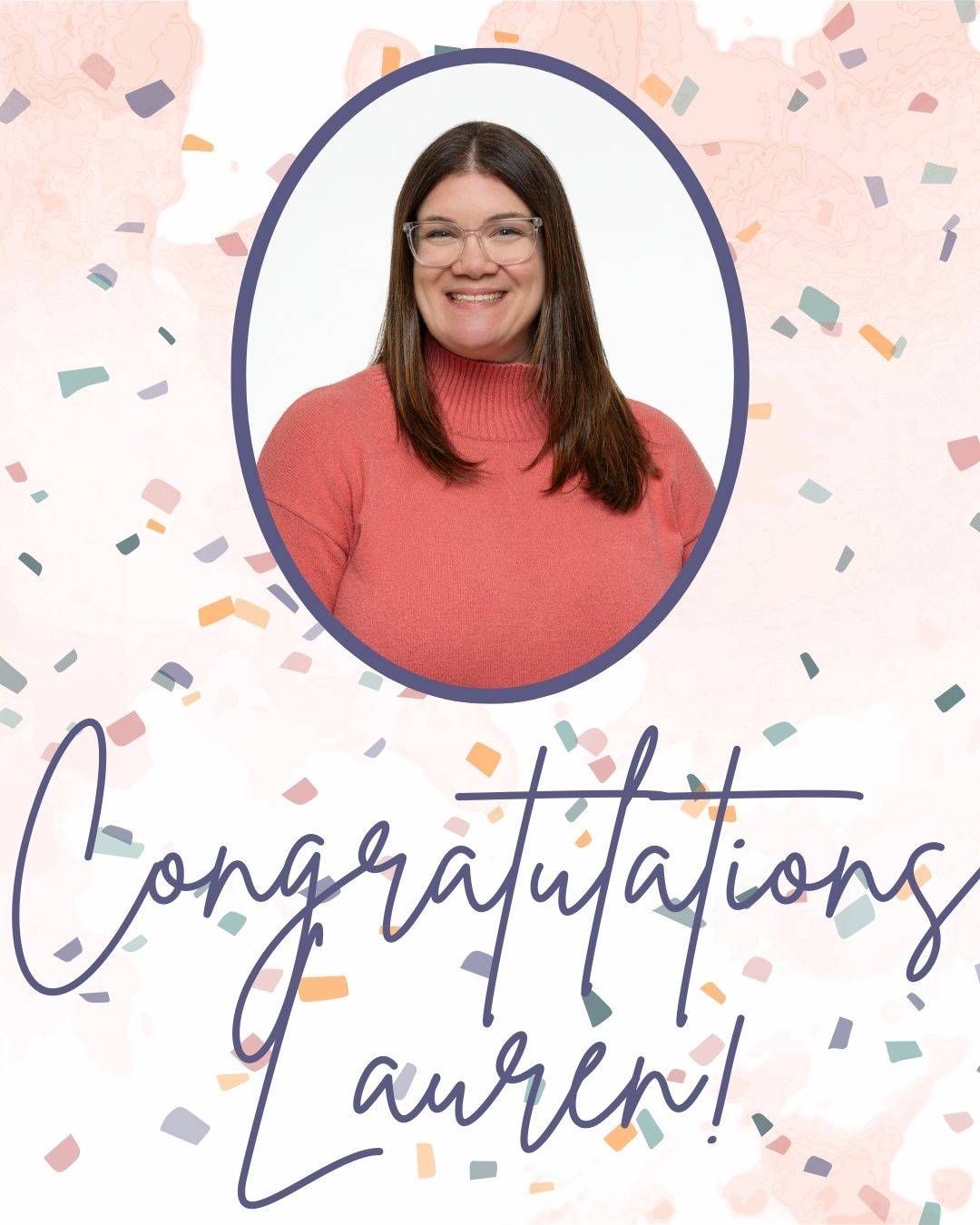
Please help us in congratulating our clinician Lauren Kenney! We are so happy for Lauren who just passed her LCSW clinical exam in December 2025. Lauren, we already know how wonderful and clinically attuned you are! Congratulations on this HUGE milestone 🎉
Upcoming Support Groups
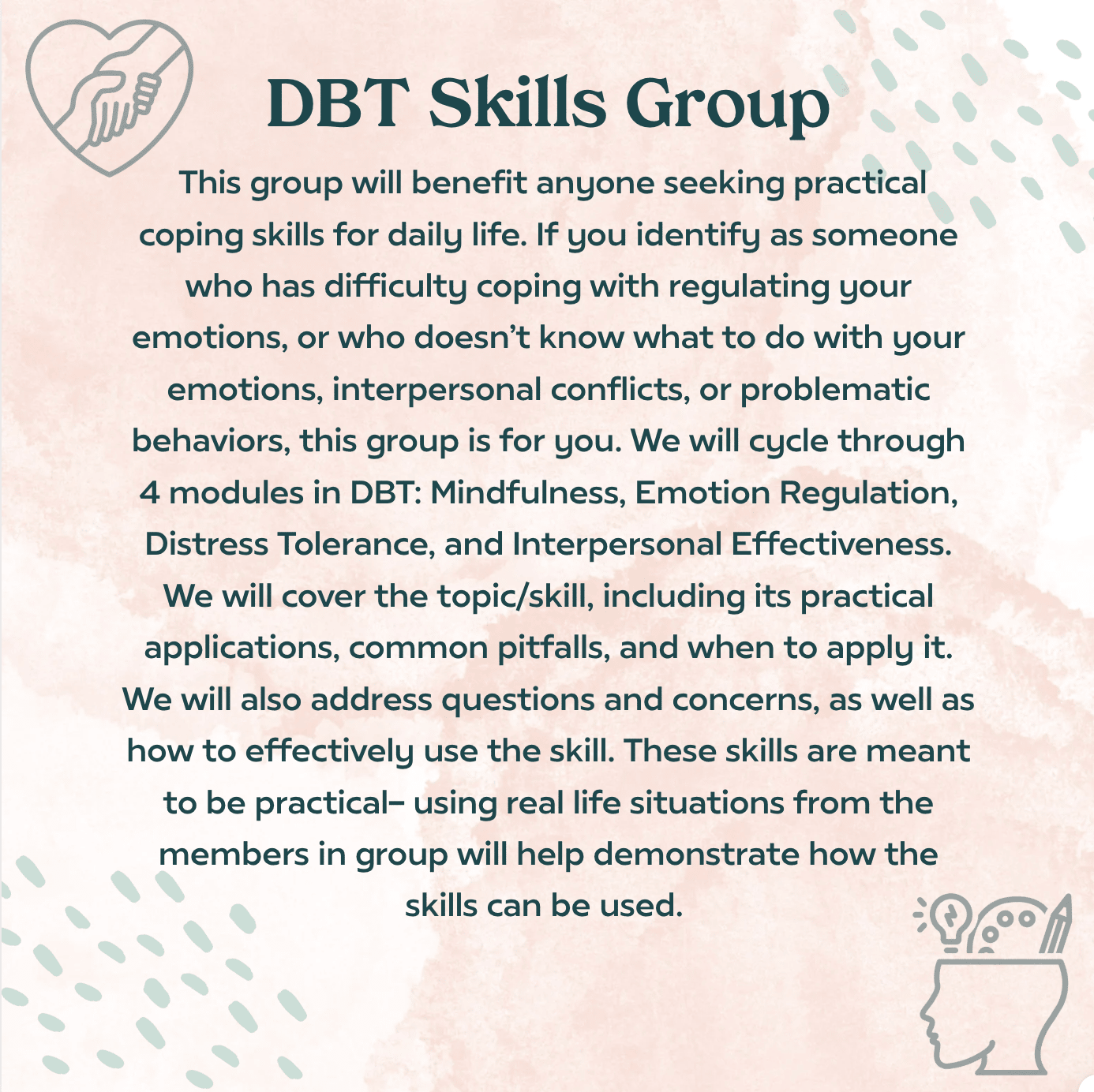
Dates: January 8th – January 29th and March 5th – April 9th
Time: Thursdays, 6 – 7:00 pm
Location: Virtually on Zoom
Cost: $20 per session (Aetna & BCBS accepted, pro bono option available)
Who: This group is for folks 18+
Erin Lewis, she/her, is a doctoral intern at Take Root Counseling and Coaching. She is a fully licensed clinician and specializes in trauma and dissociative disorders. Erin feels blessed to share that she has an emotional support animal, ESA named Glenn Coco, who comes to work with her daily.
Her communication style is a blend of humor and bluntness. She strives to be as transparent as possible in order to facilitate better communication with clients.
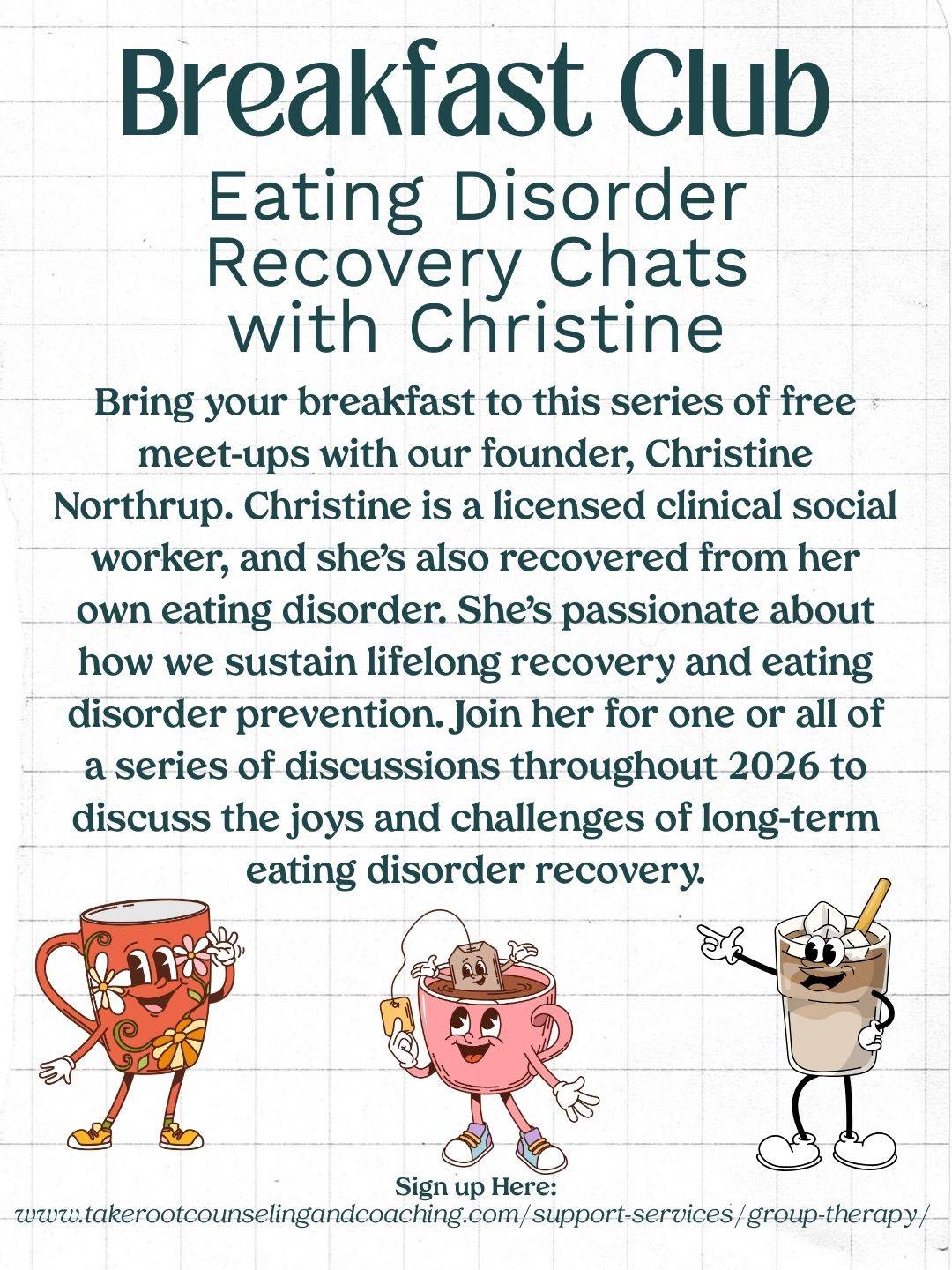
Dates: Meeting monthly on: 1/15, 2/12, 3/12, 4/16, 5/14, 6/18, 7/16, 8/13, 9/17, and 10/15
Time: Mornings, 8:30 – 10:00 am
Location: Our lovely office, 102 New Edition Court, Cary, NC
Cost: FREE
Who: This group is for folks 18+
Some things to know…
- All sessions are free of charge, but please make sure to register so we know to expect you
- This is not a meal support group, but it is a space designed to include eating so please bring your breakfast or your morning snack (for you early risers) and plan to meet your needs during the discussion.
- All those engaged in eating disorder recovery are invited to this discussion whether new to the process or long recovered. Whether the ask to eat during the chat is easy peasy or very scary, you get to be a part of the discussion.
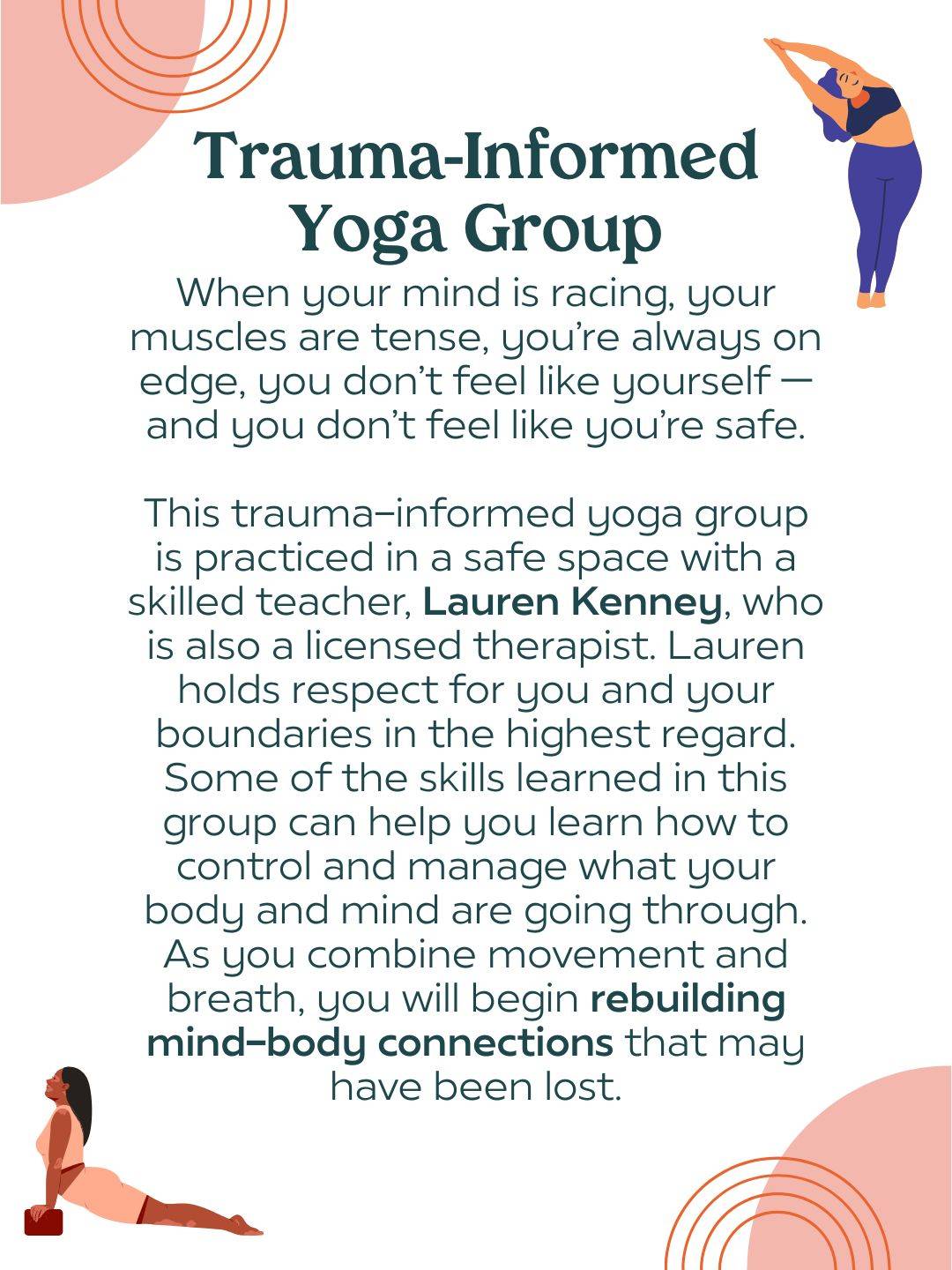
Dates: January 28th, 2026 – March 4th, 2026 (6 weeks)
Time: Wednesdays, 5:30 – 6:30 pm
Location: Our lovely office, 102 New Edition Court, Cary, NC
Cost: $40 per session due at the time of session or $200 if you are paying in full, up front. We ask that participants commit to the full 6 weeks.
Who: This group is for folks 16+
Lauren is a compassionate and dedicated therapist specializing in helping individuals navigate life’s most challenging moments. As a Licensed Clinical Social Worker Associate, she works with teens and adults (15+) to create a safe, supportive environment where they can explore and heal from struggles such as eating disorders, disordered eating, body image concerns, depression, anxiety, trauma, attachment concerns, and life transitions.
As a Registered Yoga Teacher, I can also incorporate trauma-informed yoga into sessions.Trauma informed yoga is an approach that integrates the principles of trauma sensitivity and mindfulness into the practice of yoga. This practice emphasizes body awareness, grounding techniques, and breathing exercises, allowing individuals to reconnect with their bodies in a gentle and empowering way. When incorporated into therapy, trauma-informed yoga can complement traditional talk therapies, helping clients process trauma, reduce stress, and regulate emotions. The focus is on creating a sense of control, safety, and empowerment, which is essential for healing from past trauma.
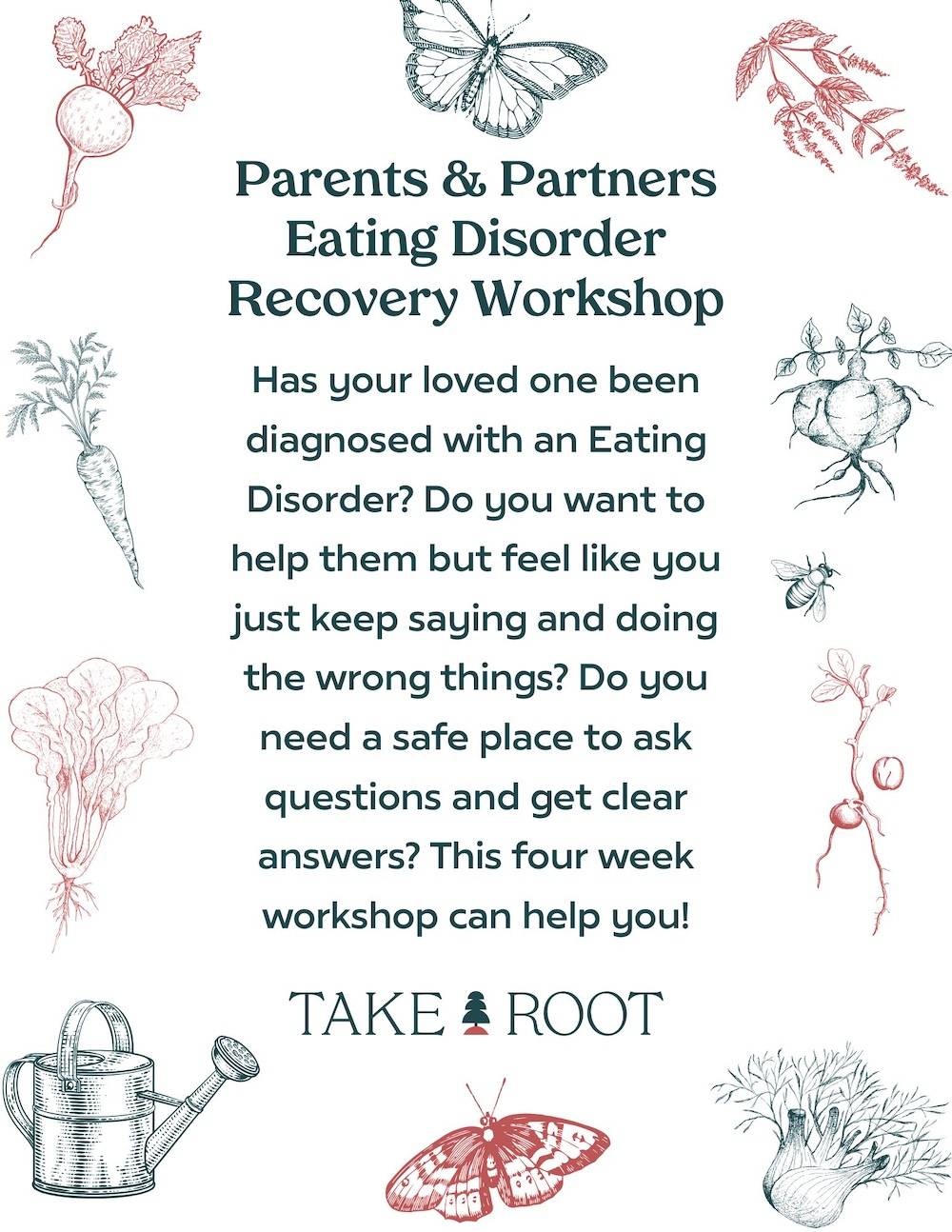
Dates: March 5th, 12th, 19th, 26th (4 weeks)
Time: Thursdays, 6:00 – 7:30 pm
Location: Offered Virtually
Cost: $250
Who: This group is for folks 18+
Has your loved one been diagnosed with an Eating Disorder? Do you want to help them but feel like you just keep saying and doing the wrong things? Do you need a safe place to ask questions and get clear answers? This four week workshop can help you!
Jordan Poole, LCMHC, “JP” (She/ her) will be leading this group. JP is Take Root’s clinical director and has extensive experience as a group therapist and working specifically with families who have a family member with an Eating Disorder. She specializes in the treatment of Eating Disorders and is passionate about supporting and empowering families as they experience such challenges.
Register for Parents & Partners
If you made it this far, thanks for reading! We look forward to visiting your inbox again soon:) If the info in this email felt helpful, and you know someone who might also think so, please consider passing it along and sharing- we are so grateful for your support.
Kindly,
The Take Root Team
Receive this email from a friend or loved one? If you’d like to read The Sprout monthly, you can sign up HERE.