April 8, 2026
April Greetings,
Here in NC, it seems like every day something new is coming into to bloom. We are enjoying the bursts of color provided by azalea bushes in yards and tulips lining sidewalks. Wysteria vine winding throughout the trees, can be spotted along the highway adding fleeting pops of purple to our commutes. We’ve got lots of great stuff to share with you this month and we hope your Spring is off to a great start too.
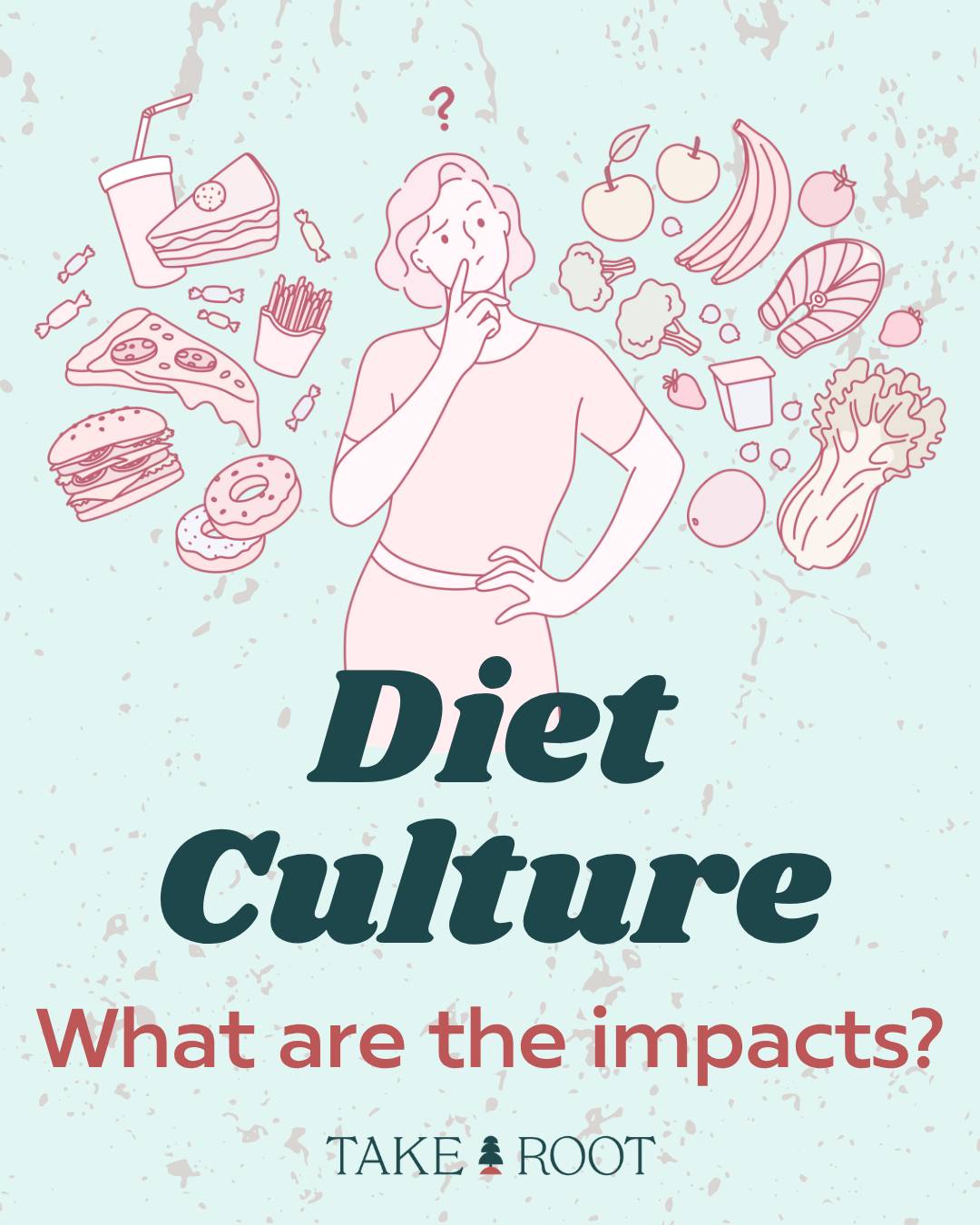
Diet culture impacts each and every one of us on a regular basis, no matter which media forms we partake in. In the United States, the weight loss market is estimated to have reached $135 billion in 2025 (Research and Markets, 2026). Imagine if that $135 billion was spent on helping you build a connection with your body, accept your size and shape as it was genetically predetermined to be, understand movement that feels good to you, and eat foods that make you feel nourished and happy. If I had a magic wand, I would make this happen!
The Body is Not an Apology, by Sonya Renee Taylor, includes a section discussing the economic profit of the beauty and weight loss industries, which Taylor refers to as the “Body-Shame Profit Complex (BSPC)” (Taylor, 2018, p. 45). She shares how these industries capitalize upon our body shame and sell us products to “fix” the things we feel shame about, such as hair dye for gray hairs or concealer for blemishes (Taylor, 2018, p. 45). She also says that “the female body type portrayed in advertising as the ideal is possessed naturally by only 5 percent of American women” (Taylor, 2018, p. 46). These points leave space for reflection on why advertisers use the models they do and why there is endless marketing for hair, weight-loss, beauty, and anti-aging products.
Promotion of GLP-1s and Dieting Fads
A newer diet-culture conversation in today’s world involves the marketing and advertisement of the glucagon-like peptide-1 receptor agonists (GLP-1s). Disclaimer: I’m not making any recommendations on whether or not to use a GLP-1. Rather, I am identifying the way in which GLP-1 promotion impacts diet culture from a social perspective. There are several celebrities who hold socially significant places in our society, promoting use of GLP-1s and the pursuit of thinness. GLP-1 medications are medical treatments and require ongoing conversations between an individual and their doctor. GLP-1 medications do not necessitate widespread advertising campaigns promoting weight loss. It may be helpful to identify that in 2024, the global pharmaceutical market was worth $1.7 trillion (BioSpace, 2025). As GLP-1 sales continue to grow, the prevalence of these drugs in media advertising is unsurprising given the substantial revenue they generate for pharmaceutical companies.
Diet fads are not new. I’m sure you can name two or three diet programs right at this moment. In recent years, more folks have become aware of the sneaky yet pervasive nature of diet culture, such as food brands using words like “skinny” or “guilt free.” These phrases demonstrate a marketing strategy that uses branding and word choice to increase the likelihood that dieters will buy their product. Examining the wording “guilt-free food” a little more closely, I think about how it insinuates that a food is “good” or “bad.” Food is not so black and white. Food creates social and cultural experiences. Food provides enjoyment and satisfaction. Food provides our bodies with nutrients. Why should we feel guilty about that?
Additionally, diet culture messaging does not educate on the harmful effects of dieting. The language suggests that dieting is the best thing one can do for their body, without mentioning the impacts on their overall health, including their mental and emotional health. Habib et al. (2023) write that “moderate dieters are five times more likely to develop an eating disorder than people who never diet” (para. 3). They also include the consequences of dieting on one’s health, including “an increased risk of heart disease, lingering unfavorable effects on metabolism, and diminished mental capacity” (Habib et al., 2023, para. 3). There are a variety of empowering and embodied ways of pursuing healthy behaviors that have nothing to do with dieting.
Challenging Diet Culture
Given the information I’ve shared thus far, let’s talk about a few ways to challenge diet culture. We can shift the focus and celebrate others for their personality traits and values. Celebrating people for thinness or weight loss equates it with success and implies that the opposites (fatness or weight gain) are failures, which we know is simply not true.
Next, we can challenge the rhetoric that food is either “good” or “bad.” We can ask ourselves how a food feels in our body, regardless of the messaging and judgement society may be placing on that food. Our bodies can guide us in determining what feels nourishing, satisfying, and fulfilling. Working with a registered dietitian can help you build an understanding of what foods feel best for your body.
Additionally, we can remember our roots. We enter this world as babies, then toddlers, who don’t hold any shame with their bodies. We are explorative, curious, playful, and sensitive. What changes? As we get older, people in our communities, social settings, or the media perpetuate diet culture and make us question ourselves, our food choices, and our bodies. As Taylor names in her book, “we didn’t give it [body shame] to ourselves, and we aren’t obligated to keep it” (Taylor, 2018, p 7).
As we approach summer, we are flooded with more ads about “summer bodies.” To challenge this, I want to name: A body living during the summer is a summer body! The “summer body” marketing strategy pulls us into the external noise of diet culture and out of our quiet, internal wisdom. To access a connection with your body, you can try focusing on the sensory experience of summertime. This might look like asking yourself questions such as:
- How does my body feel in this outfit? Does the fabric feel light or heavy, soft or rough, comfortable or uncomfortable? Is there anything I could change into that would make me feel more comfortable, free or present?
- Am I enjoying the warm air on my skin, or would my body prefer to be in an air-conditioned or shaded space right now?
- What do the trees and plants around me look like as they bloom?
- How does my ice cream smell or taste?
- What are some activities that I love to do in the warm weather?
- How does it feel when my feet hit the ground as I walk outside?
- What does the sound of the breeze rustling leaves or the waves on the beach sound like?
A final strategy, if you utilize social media, consider following social media accounts that show diverse bodies – whether it be diversity in size or shape, race, ethnicity, ability status, gender identity, etc., and accounts that do not perpetuate the messages of diet culture. The more we are exposed to diversity, the more we can recognize when diet culture is pushing us to put one particular type of body on a pedestal (and in this country, it is typically a young, white, thin, cisgender body). We all deserve to be seen, heard, and valued, regardless of the way our body looks.
If you’re interested in breaking down these concepts, Sonya Renee Taylor has a workbook titled Your Body Is Not an Apology, which helps folks challenge body shame. Our therapists here at Take Root can assist you in dissecting the ways diet culture has impacted your life and guide you in establishing a deeper connection with yourself.
Sources:
BioSpace. (2025, January 29). Pharmaceutical market size to surpass USD 2.82 trillion by 2033. BioSpace.
Habib, A., Ali, T., Nazir, Z., Mahfooz, A., Inayat. Q., Haque, M. (2023). Unintended consequences of dieting: How restrictive eating habits can harm your health. International Journal of Surgery Open, 60. https://doi.org/10.1016/j.ijso.2023.100703
Research and Markets. (2026). The U.S. weight loss market: Status report & 2026 forecast. https://www.researchandmarkets.com/report/united-states-weight-loss-industry-market
Taylor, S. R. (2018). The Body Is Not an Apology. Berrett-Koehler Publishers, Inc.

Our Community Partners
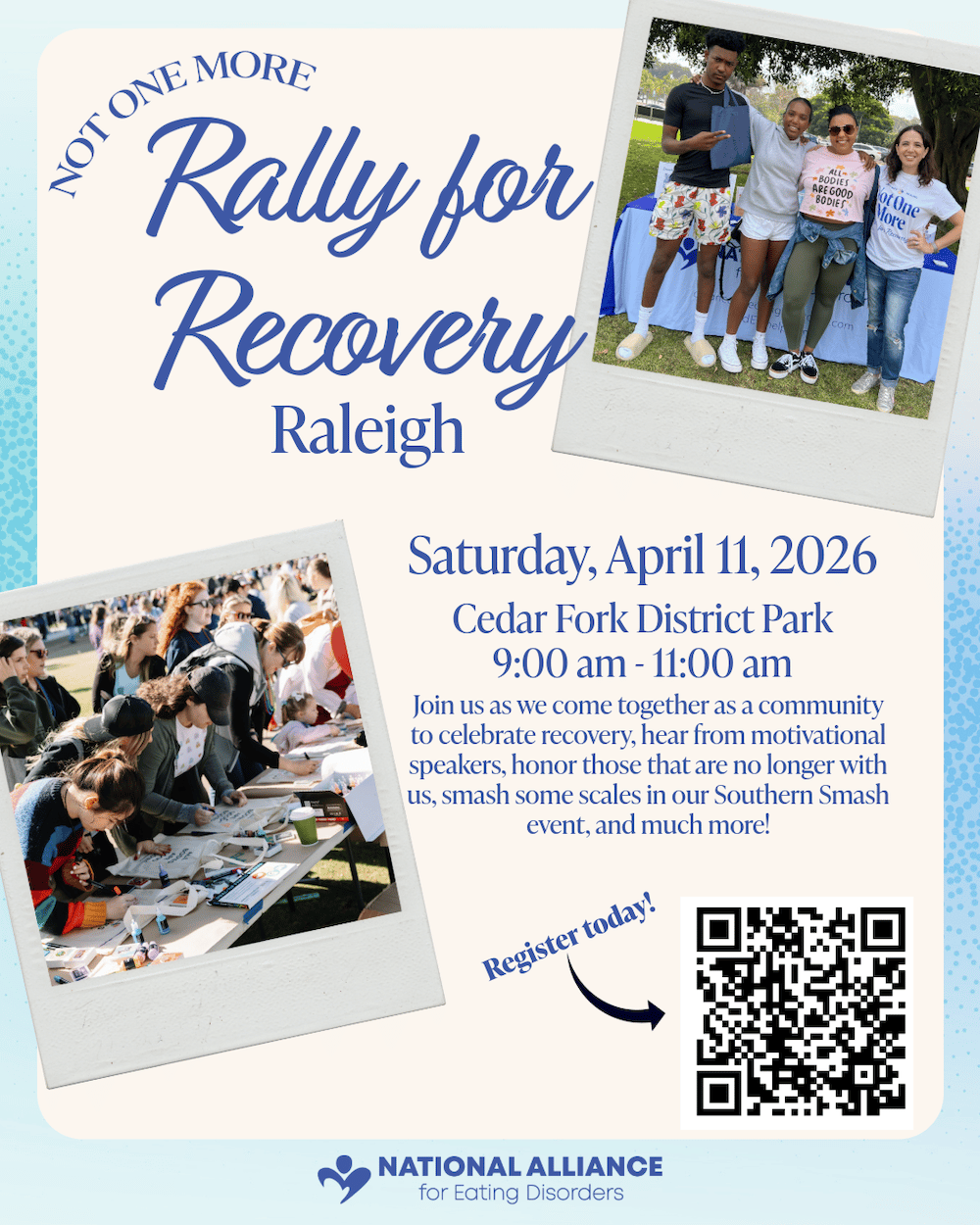
Take Root will be celebrating recovery with the National Alliance for Eating Disorders this Saturday. Please help us raise awareness and offer direct support to those experiencing eating disorders and their loved ones in the Raleigh community and nationwide.
We hope that you will join us as we come together as a community to celebrate recovery, hear from motivational speakers, honor those that are no longer with us, smash some scales in our Southern Smash event, and much more! Please consider donating HERE.
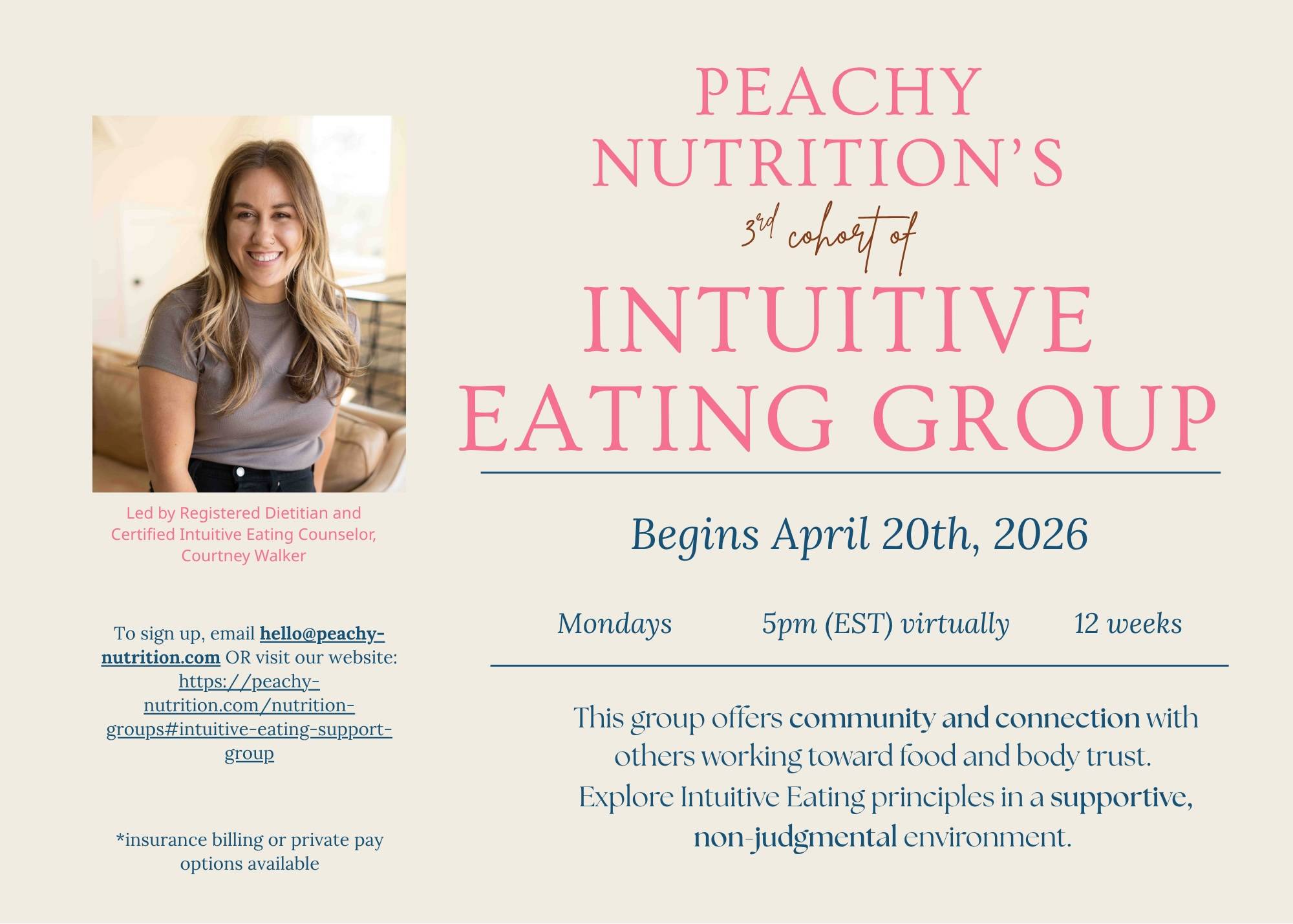
Peachy Nutrition has an awesome new group beginning later this month. This group is led by Certified Intuitive Eating Counselor, Courtney Walker. Visit Peachy Nutrition’s website for more details and to register.
Upcoming Support Groups
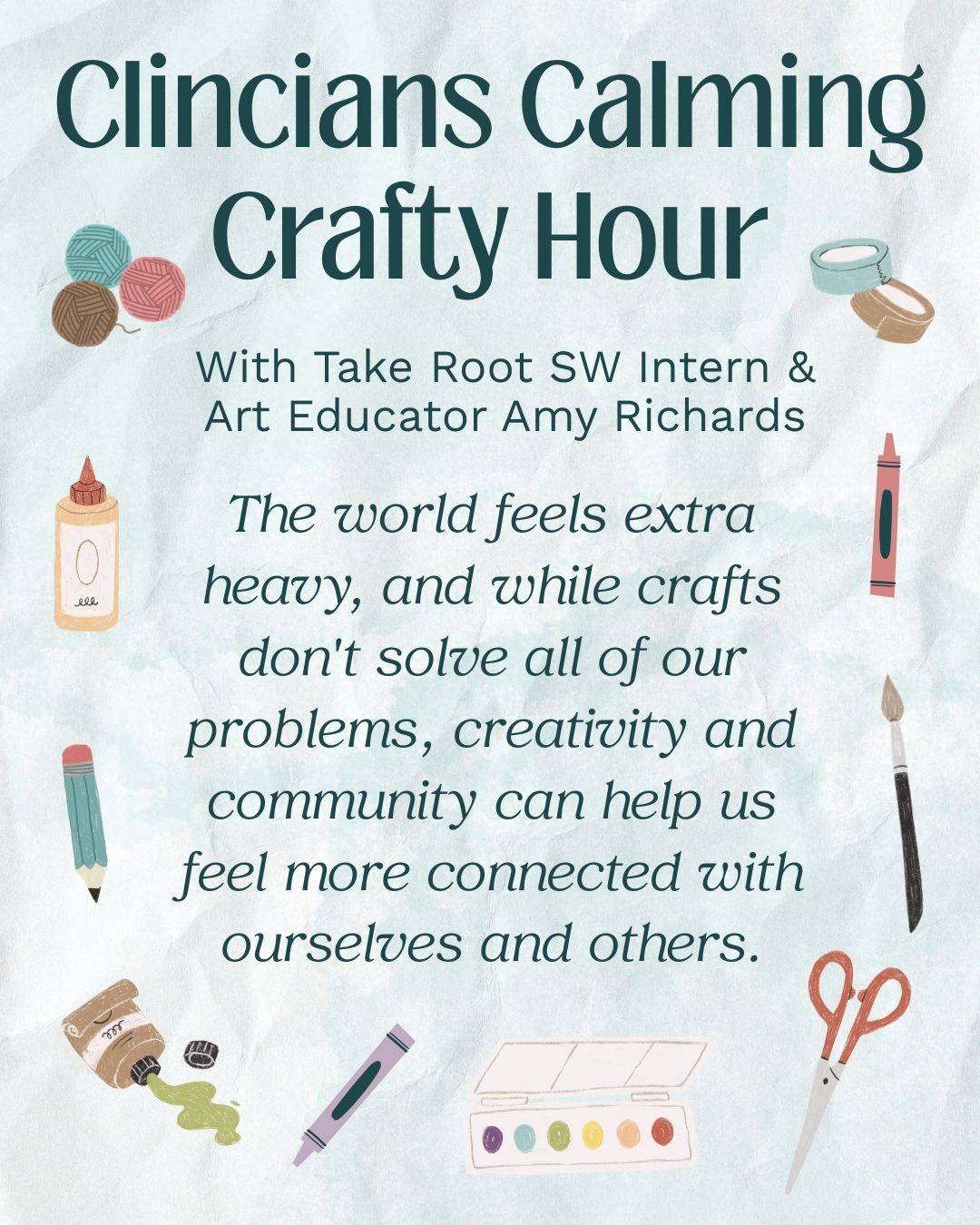
Join Take Root Counseling and Coaching, Social Work Intern and Art Educator, Amy Richards, for an hour-long meet-up for counselors and social workers. This gathering is low stakes; just log in with ANY creative project you are working on, or print a coloring page provided by Amy (she’ll send you the link). Amy is also happy to provide a creative prompt for folks needing a little more inspiration. This group will meet twice a month on Fridays from 2-3 pm. Come network with other clinicians and decompress with some creativity.
Dates: April 10th and May 1st
Time: 2 – 3 pm
Who: Clinicians, Counselors, Dieticians, & Social Workers (Interns welcome and encouraged!)
Cost: FREE
Email Amy to register: amy@takerootpllc.com
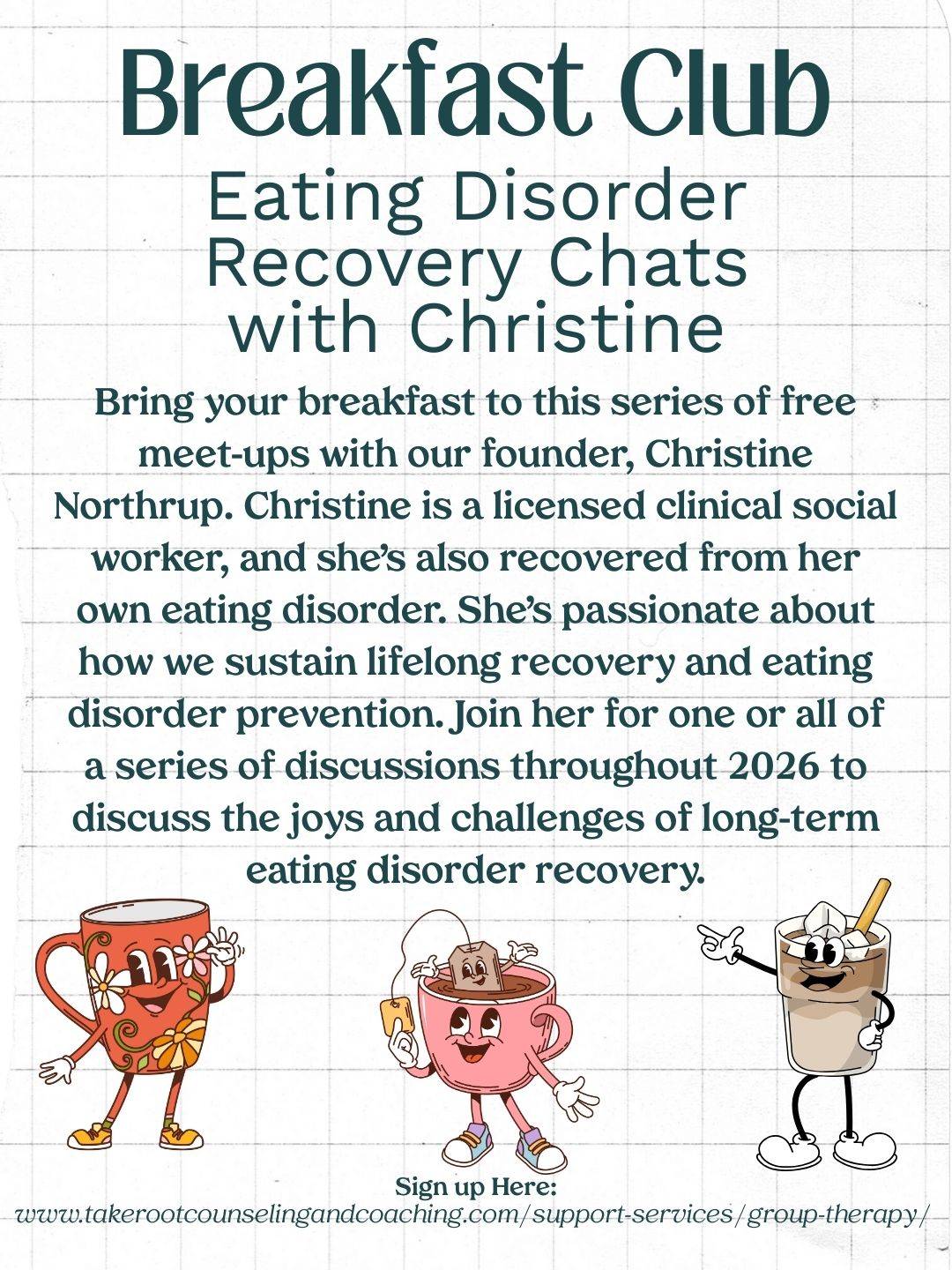
Dates: Meeting monthly on: 4/16, 5/14, 6/18, 7/16, 8/13, 9/17, and 10/15
Time: Mornings, 8:30 – 10:00 am
Location: Our lovely office, 102 New Edition Court, Cary, NC
Cost: FREE
Who: This group is for folks 18+
Some things to know…
- All sessions are free of charge, but please make sure to register so we know to expect you
- This is not a meal support group, but it is a space designed to include eating so please bring your breakfast or your morning snack (for you early risers) and plan to meet your needs during the discussion.
- All those engaged in eating disorder recovery are invited to this discussion whether new to the process or long recovered. Whether the ask to eat during the chat is easy peasy or very scary, you get to be a part of the discussion.
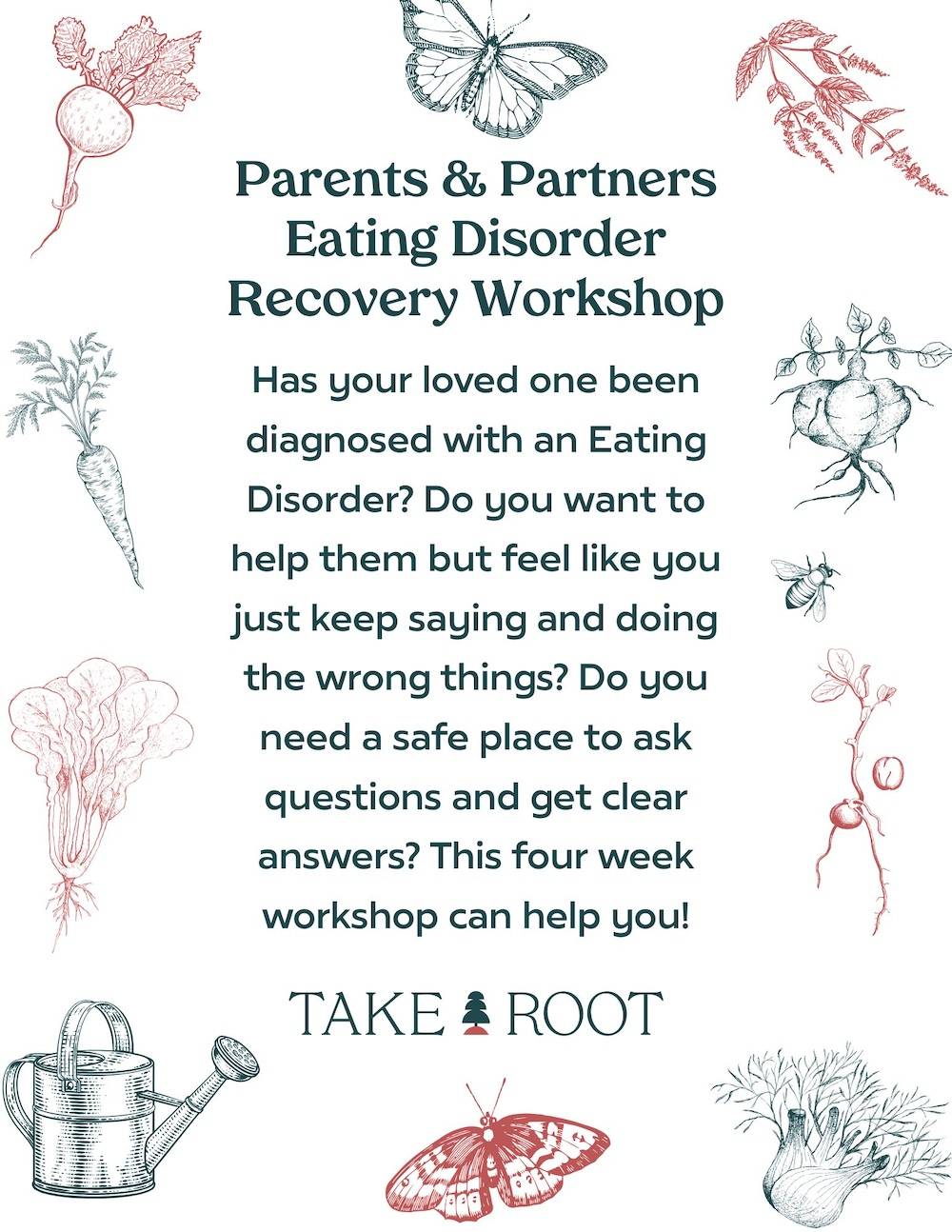
Dates: April 16th, 23rd, & 30th and May 7th (4 weeks)
Time: Thursdays, 6:00 – 7:30 pm
Location: Offered Virtually
Cost: $250
Who: This group is for folks 18+
Has your loved one been diagnosed with an Eating Disorder? Do you want to help them but feel like you just keep saying and doing the wrong things? Do you need a safe place to ask questions and get clear answers? This four week workshop can help you!
This free, 4-week in-person support group is designed for LGBTQ+ identifying individuals 18+ who are navigating recovery from eating disorders. Led by Jordan “JP” Poole—a queer-identifying therapist with extensive experience treating eating disorders — and social work intern Amy Richards, this group offers a safe, affirming space to share, connect, and heal.
Register for Parents & Partners
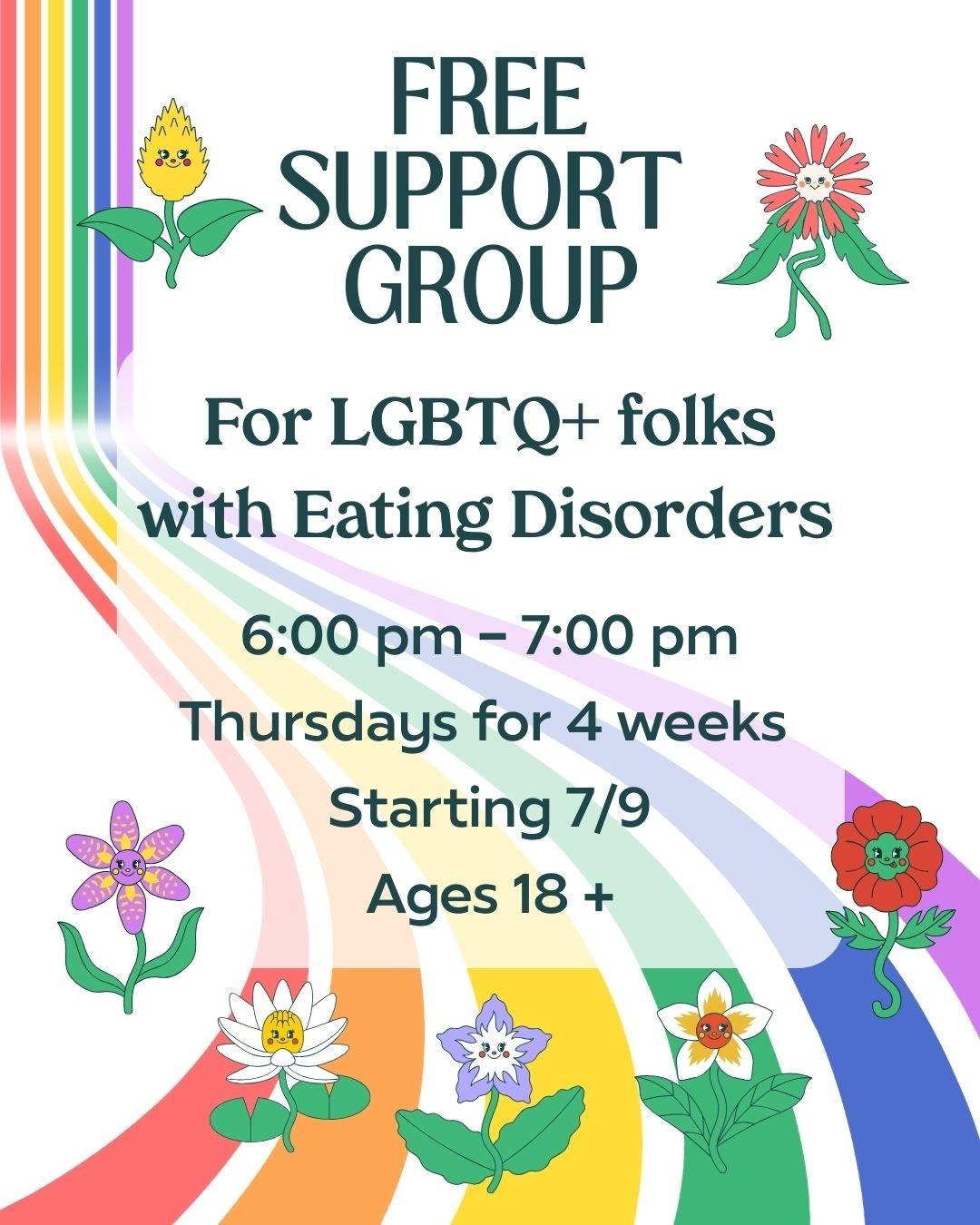
Dates: July 9th, 16th, 23rd, & 30th (4 weeks)
Time: Thursdays, 6:00 – 7:00 pm
Location: In-person at our lovely Take Root Office, 102 New Edition Court, Cary, NC 27511
Cost: FREE
Who: This group is for folks 18+
This free, 4-week in-person support group is designed for LGBTQ+ identifying individuals 18+ who are navigating recovery from eating disorders. Led by Jordan “JP” Poole—a queer-identifying therapist with extensive experience treating eating disorders — and social work intern Amy Richards, this group offers a safe, affirming space to share, connect, and heal.
Together, we’ll explore the unique challenges at the intersection of identity and recovery, process personal experiences, and build practical skills to support long-term well-being. Each week will provide opportunities for both open discussion and guided learning, grounded in compassion, community, and evidence-based approaches.
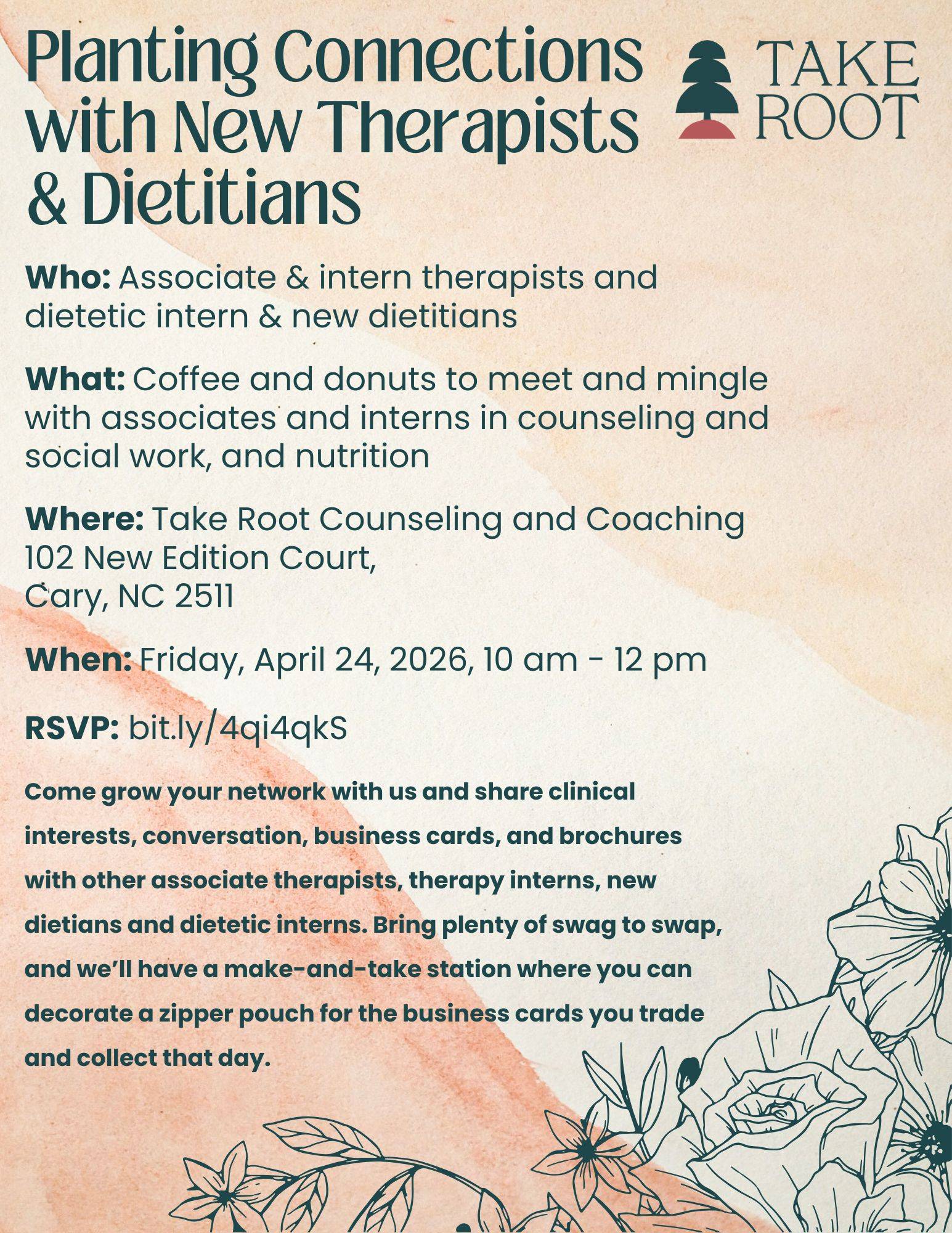
SAVE THE DATE for our Spring in-person networking event geared towards Associate level therapists and interns and dietitians and dietetic interns. There will be coffee, donuts and a make and take craft where you can decorate a pouch to store all of the business cards you collect that day from your new colleagues. RSVP HERE.
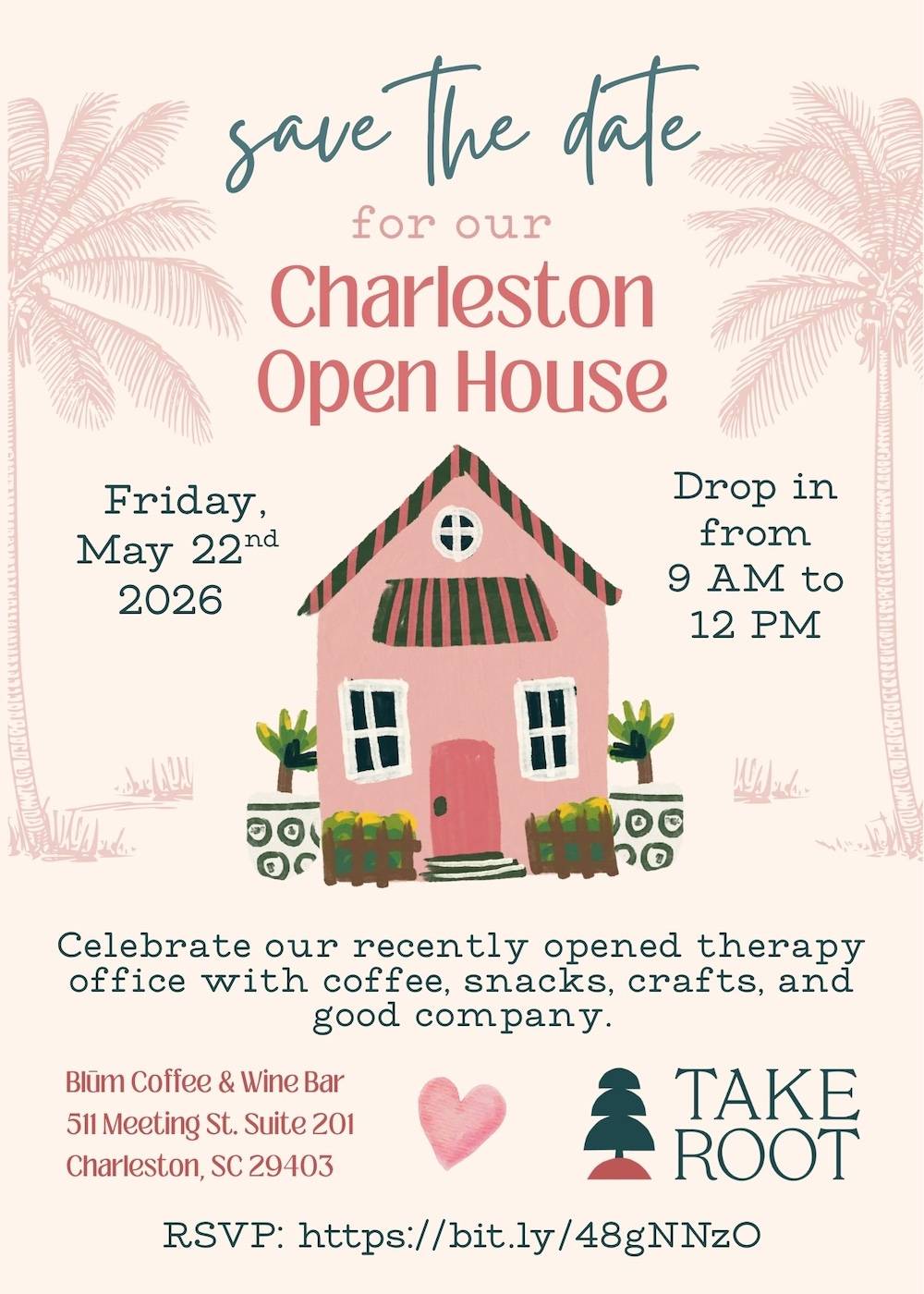
SAVE THE DATE join the Take Root Charleston, SC team in celebrating the opening our new office.
What: Coffee, crafts, snacks, and community to celebrate the opening of our new office
Who: Clinicians, dieticians, doctors, & other providers who want to network with one another and meet our Charleston Take Root team
Where: Blūm Coffee & Wine Bar, 511 Meeting St. Suite 201, Charleston, SC 29403
When: Friday, May 22, 2026, Drop in between 9 am – 12 noon
RSVP: https://bit.ly/48gNNzO
If you made it this far, thanks for reading! We look forward to visiting your inbox again soon:) If the info in this email felt helpful, and you know someone who might also think so, please consider passing it along and sharing- we are so grateful for your support.
Kindly,
The Take Root Team
Receive this email from a friend or loved one? If you’d like to read The Sprout monthly, you can sign up HERE.